
Your baby can feed normally right after the check; pupils return to normal size within a few hours.
Top Priority · Newborn Retina Care
ROP Screening and Treatment in Hyderabad
Gentle, timely Retinopathy of Prematurity (ROP) screening and in-house laser or anti-VEGF treatment for premature and low-birth-weight babies in Hyderabad.
Overview /
Understanding rop screening & treatment
Retinopathy of Prematurity (ROP) is a potentially blinding eye condition that affects premature babies—especially infants born before 34–36 weeks of pregnancy, weighing less than 2,000 grams (2 kg) at birth, or babies who required NICU oxygen support.
Because a premature baby's retinal blood vessels are still growing after birth, abnormal blood vessels can develop silently without any visible sign on the outside of the eye. With fellowships in Medical Retina and ROP, Dr. Kulsum Zaidi has screened 500+ babies and helped protect the vision of 15+ at-risk infants over the past 4 years through timely screening and in-house treatment.
CLINICAL NOTE FROM DR. KULSUM
The 'Day 20–30' Golden Window for Premature Newborns
ROP shows zero external symptoms in its early stages—a baby's eyes look completely normal from the outside. Every premature or low-birth-weight baby must have their first retinal screening within 3 to 4 weeks (20 to 30 days) of birth so that if ROP is present, sight-saving treatment can be given in time.
Symptoms & diagnosis /
When to see the doctor & what we check
Early assessment gives you the widest, safest choice of treatments.
01 / Symptoms
Signs to watch for
- Important: Early ROP has NO visible outside symptoms—only a dilated retinal exam can detect it
- Born premature (before 34–36 weeks of gestation)
- Birth weight under 2,000 grams (especially under 1,500 grams)
- History of NICU stay, oxygen therapy, respiratory distress, sepsis, or blood transfusion
- In late/untreated stages: white pupil reflex, wandering eyes, or not tracking a parent's face
02 / Suitability
Who should be examined
- All babies born before 34 weeks of pregnancy or weighing less than 2,000 grams at birth
- Babies born between 34–36 weeks who had an unstable NICU course or prolonged oxygen support
- Any newborn referred by their neonatologist or paediatrician for a pre-discharge or 4-week retinal check
03 / Diagnostics at our centre
Tests we perform
Infant-Safe Dilating Drops
Specially diluted, newborn-safe eye drops are applied 30–45 minutes before the check to gently widen the pupil.
Indirect Ophthalmoscopy by ROP Specialist
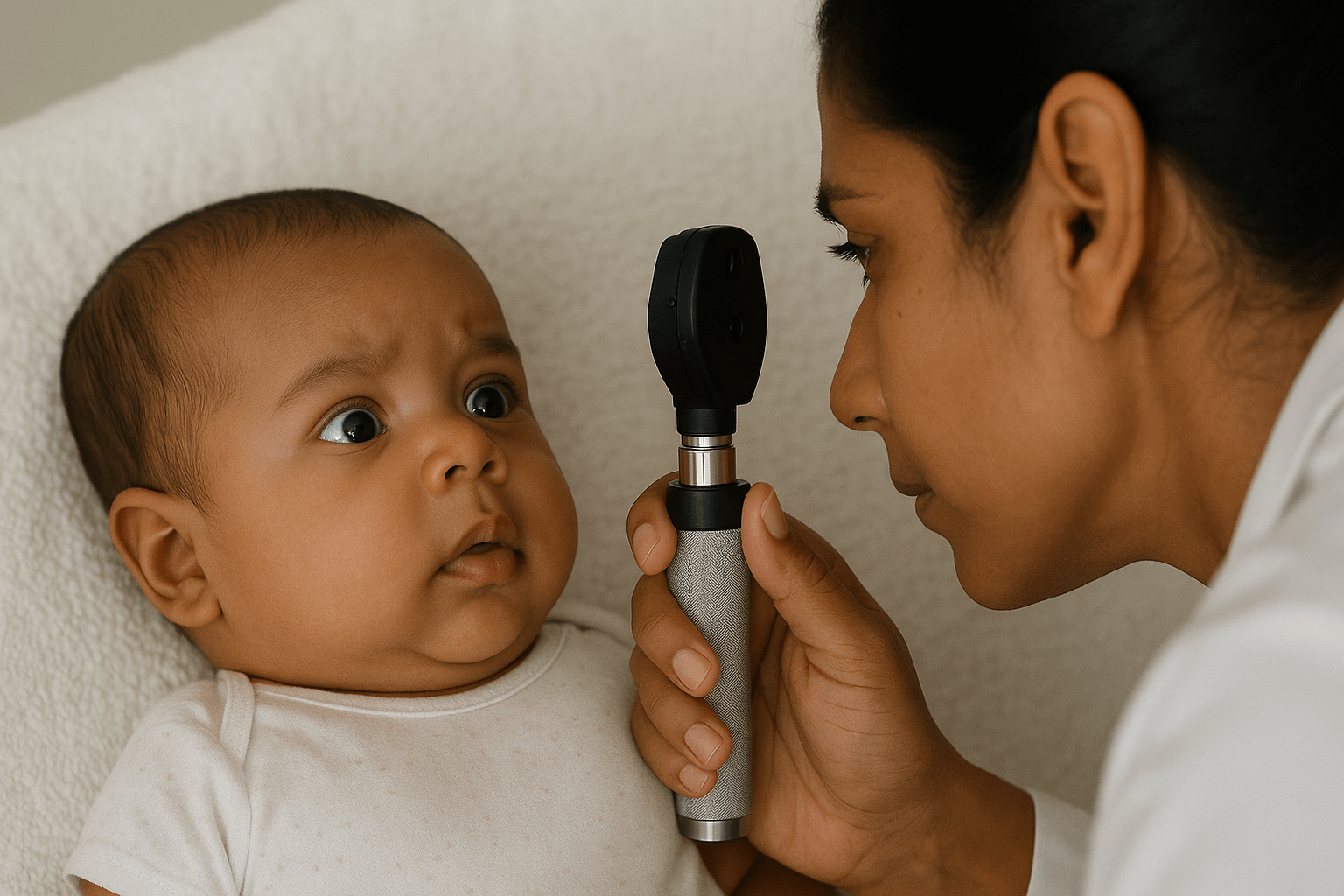
Dr. Kulsum examines the peripheral retina using a specialised binocular indirect ophthalmoscope and infant lens.
Zone & Stage Classification
Precise mapping of retinal blood vessel growth (Zones I–III and Stages 1–5) to decide whether only follow-up monitoring or urgent treatment is needed.
Step by step /
What happens on the day
Every step is explained before it happens so you and your family feel calm and prepared.
01
Book During Regular OPD Hours (or Urgent Call)
ROP screening and treatment are available during all regular OPD hours (9 AM–12 PM & 4 PM–9 PM) as well as emergency slots.
02
Gentle Dilation & 5-Minute Retinal Exam
After numbing and dilating drops take effect, the actual indirect ophthalmoscopy check takes only about 3 to 5 minutes while the baby is swaddled.
03
Immediate Parent Counselling & NICU Report
Dr. Kulsum explains the retinal findings in plain language right away and provides a written report and next-follow-up date for your paediatrician.
Options & planning your budget /
Treatment options & cost transparency
We keep newborn ROP screening and sight-saving treatment accessible for families. Exact charges for OPD screening or in-house laser/anti-VEGF therapy are shared upfront before proceeding.
What determines your cost?
- Standard OPD ROP Screening vs. repeat follow-up visits
- Whether in-house Laser Photocoagulation or Anti-VEGF injection is required
- One eye vs. both eyes requiring active intervention
Payments & insurance
We accept UPI and Cash payments (no card payments). We also support health insurance and TPA claims—message us on WhatsApp with your policy card or prescription to receive a clear package estimate before your visit.
After your visit /
Recovery, benefits & honest safety notes
Depending on retinal maturity, repeat checks are scheduled every 1–2 weeks until vessels are fully mature.
Prescribed antibiotic/anti-inflammatory drops for 1 week with close retinal review.
Key benefits at our centre
- Led directly by Dr. Kulsum Zaidi—Fellowship-trained in Medical Retina & ROP
- 500+ premature babies screened and 15+ babies protected from ROP blindness in the past 4 years
- Both ROP screening (indirect ophthalmoscope) and ROP treatment (Laser & Anti-VEGF) done in-house
- Same convenient hours as regular OPD (9 AM–12 PM and 4 PM–9 PM) with minimal waiting for newborns
What to know about risks & aftercare
ROP screening itself is very safe; a baby cries briefly mainly due to the bright light and gentle eyelid holder, not pain (numbing drops are used). The biggest risk in ROP is delayed screening—once retinal detachment occurs, vision loss is difficult to reverse.
For any post-procedure redness, pain, or sudden vision change, our 24/7 emergency line (+91 70755 57008) is always reachable.
Who leads it /
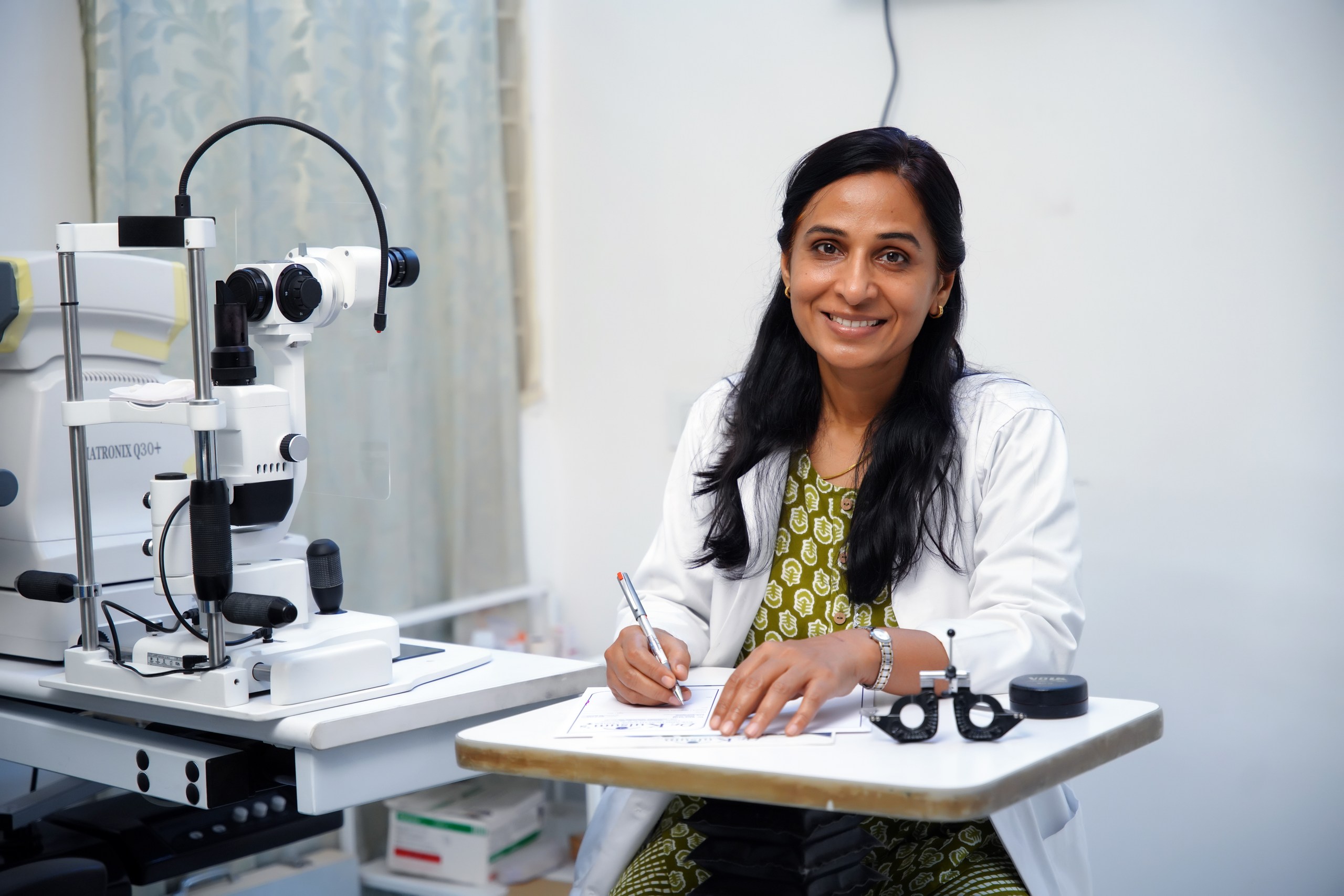
Dr. Kulsum Zaidi
M.B.B.S., D.O.M.S. (Ophthalmology) · Fellowships in Medical Retina & Retinopathy of Prematurity (ROP)
With over 20 years of ophthalmic experience, 2,000+ surgeries, and 500+ newborn ROP screenings, Dr. Kulsum personally evaluates every patient and explains all options in plain language.
Video explainer by Dr. Kulsum / 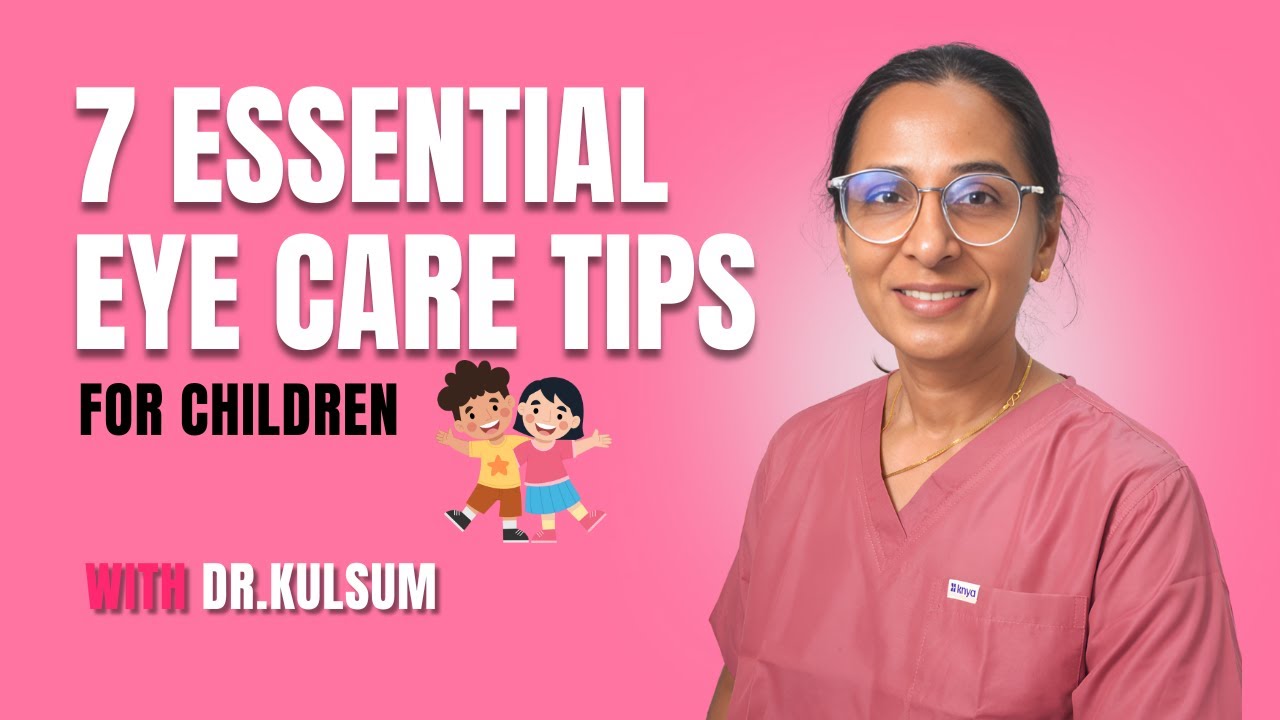
7 Essential Eye Care Tips for Children: A Guide for Parents
Simple daily lifestyle habits, outdoor sunlight tips, screen-time rules, and check-up milestones every parent should know to protect their child's developing eyes.
FAQ
Common questions
Something else on your mind? Call our reception desk on +91 70755 57008 and we'll talk it through.
Retinopathy of Prematurity (ROP) is abnormal blood vessel growth in the retina of babies born early or with low birth weight. If caught early through screening, treatment can prevent lifelong blindness.
Any baby born before 34–36 weeks of pregnancy, weighing under 2,000 grams at birth, or who received oxygen in the NICU should be screened within 20 to 30 days after birth (or before NICU discharge).
No. We instil gentle numbing eye drops before the examination. Babies may cry for a minute because they dislike being held still and seeing the bright light, but the exam takes only a few minutes and is not painful.
Mild ROP (Stage 1 or 2) often heals on its own and only needs close weekly monitoring. If it progresses to a stage that threatens sight, we perform in-house laser treatment or anti-VEGF injection within 48 hours.
ROP screening and treatment are available during our regular OPD hours (9:00 AM to 12:00 PM and 4:00 PM to 9:00 PM, Monday to Saturday) and via our 24/7 emergency line for urgent NICU referrals.
Explore more /
All treatments
Other specialist treatments
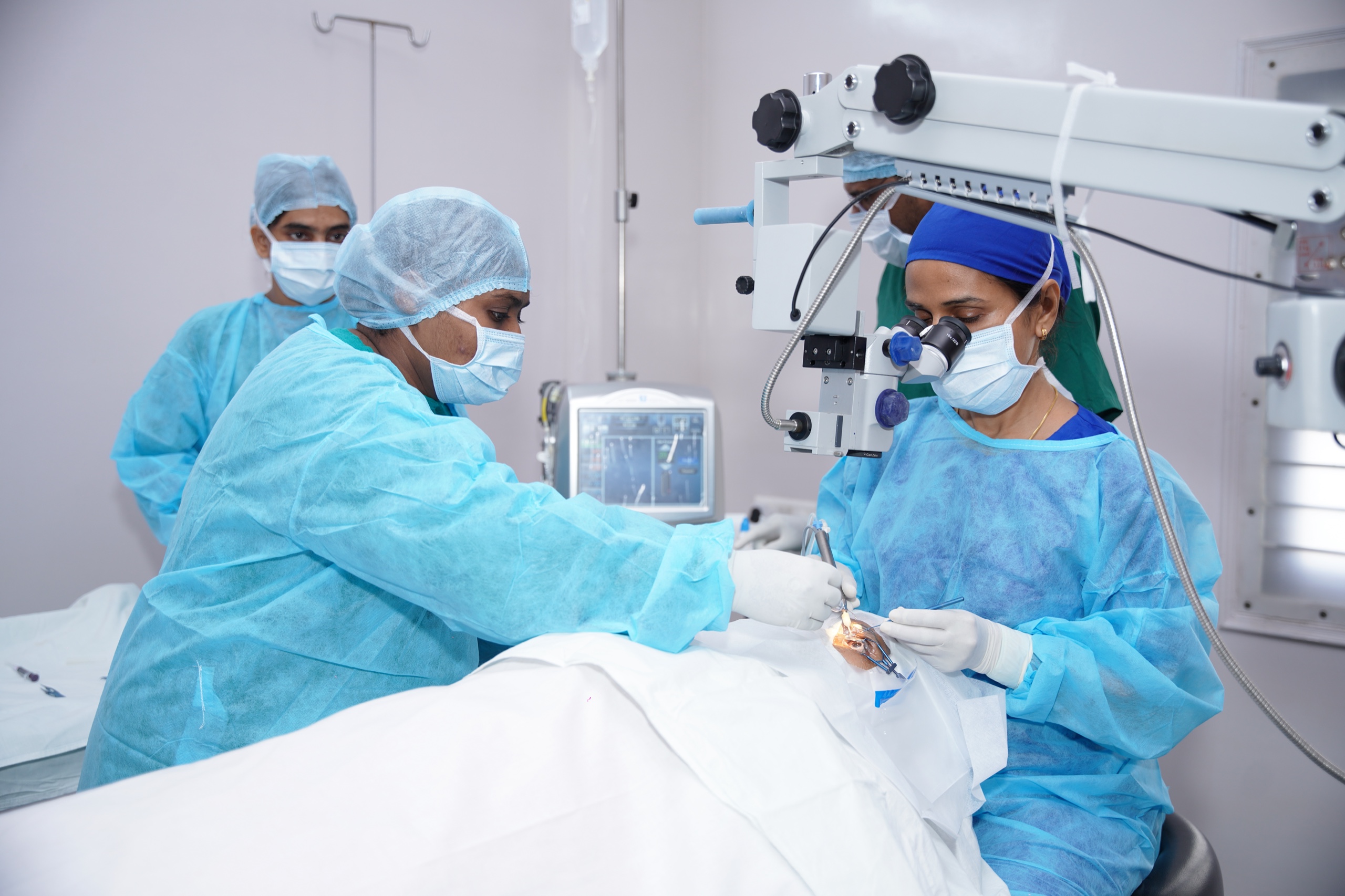
Cataract Surgery
Minimally invasive, painless, sutureless cataract surgery in Hyderabad's first ductless AHU modular operation theatre—with discharge in about 10 minutes and lens choices tailored to your daily life.
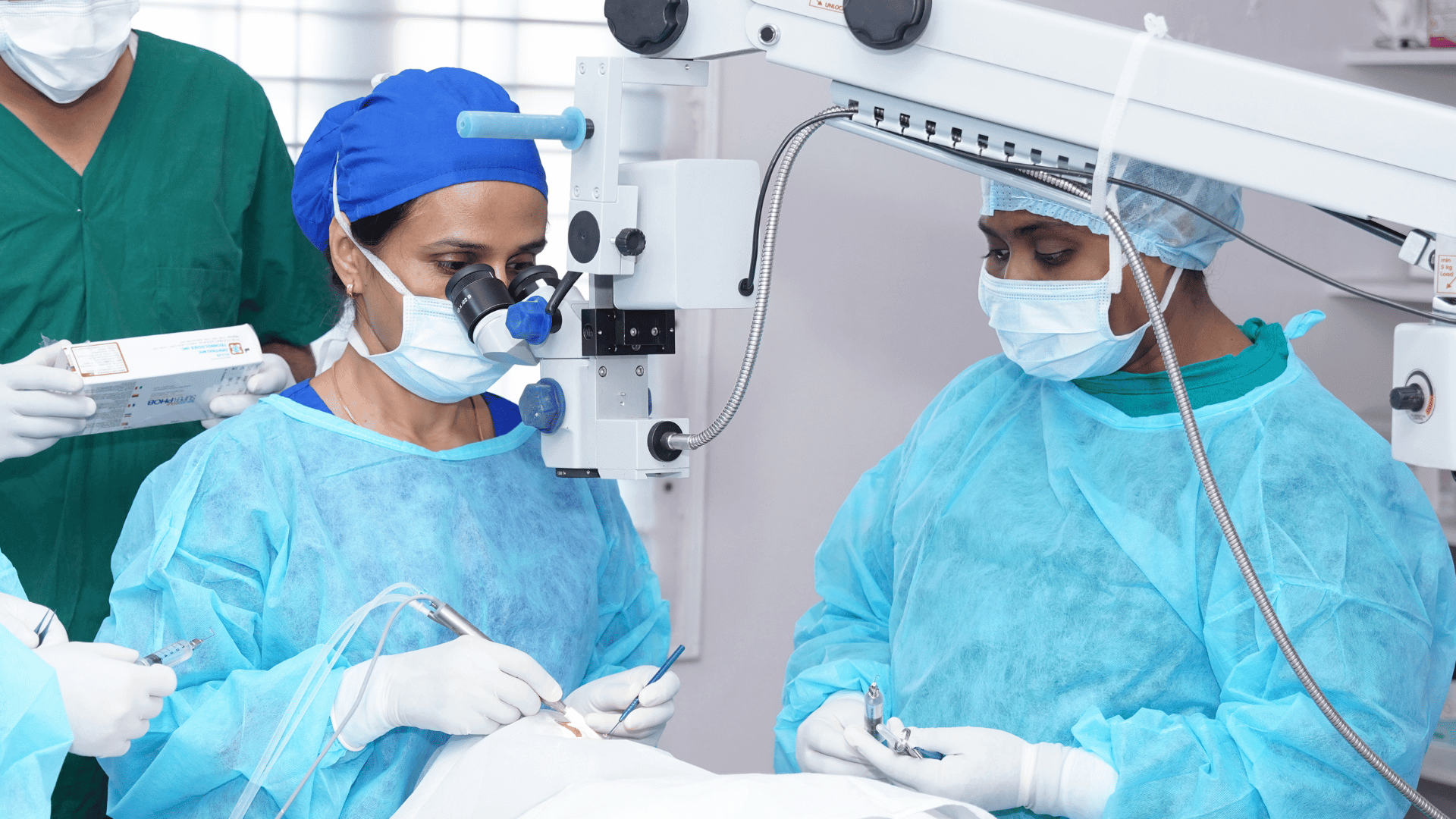
ICL Surgery
Safe, reversible implantable lens correction for high spectacle powers and thin corneas—delivering sharp, high-definition vision without removing corneal tissue.
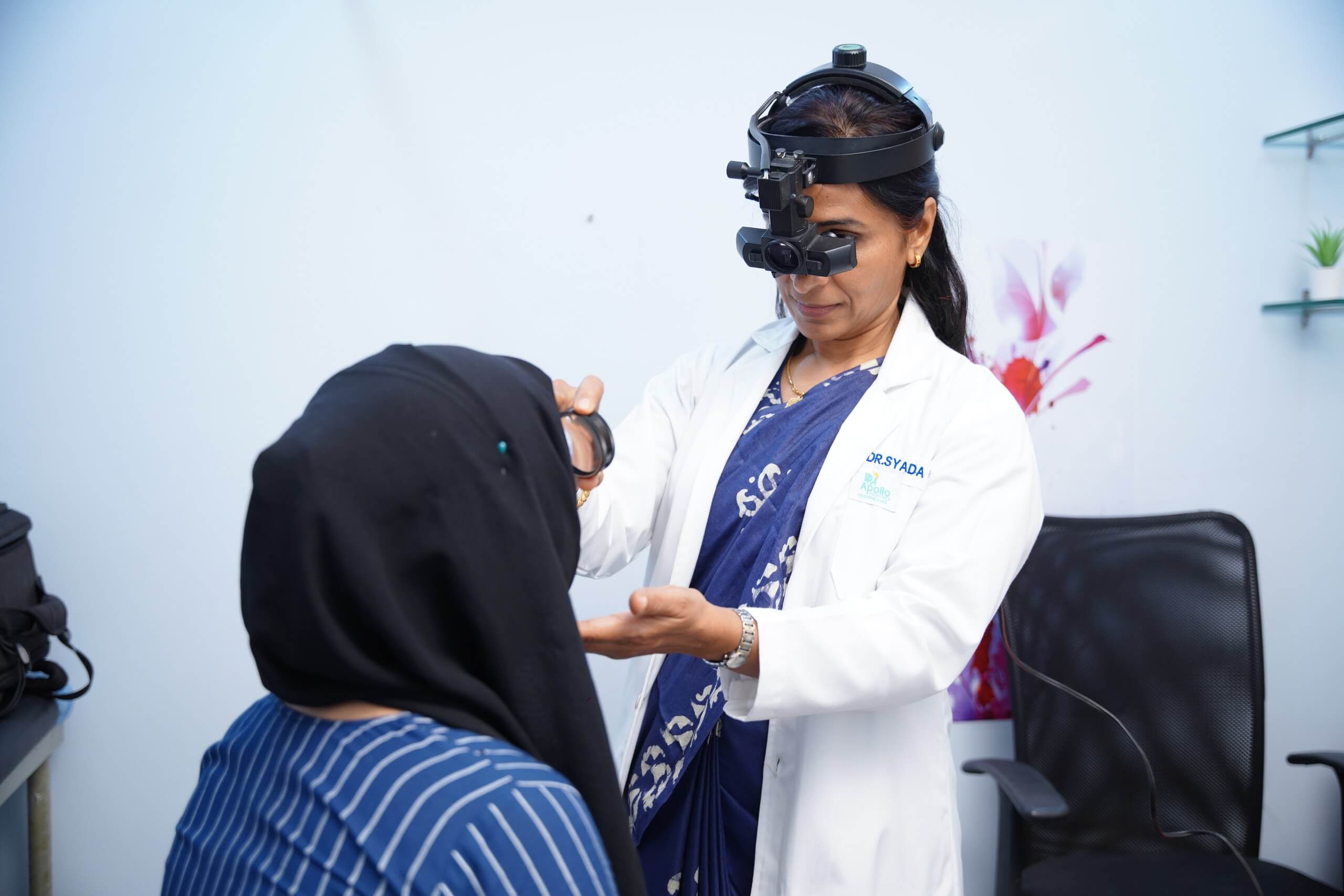
Diabetic Retinopathy
Early retinal screening, macular oedema management, and laser / anti-VEGF treatment by a Medical Retina Fellowship specialist to protect your sight from diabetes.