Walk out comfortably with protective dark glasses; no overnight hospital stay required.
Core Specialty · NABH Accredited OT
Cataract Surgery in Hyderabad
Minimally invasive, painless, sutureless cataract surgery in Hyderabad's first ductless AHU modular operation theatre—with discharge in about 10 minutes and lens choices tailored to your daily life.
Overview /
Understanding cataract surgery
A cataract is a natural clouding of the clear lens inside your eye that develops gradually with age, diabetes, or UV exposure. Instead of seeing crisp, vibrant colours, vision starts to feel like looking through a fogged or frosted window.
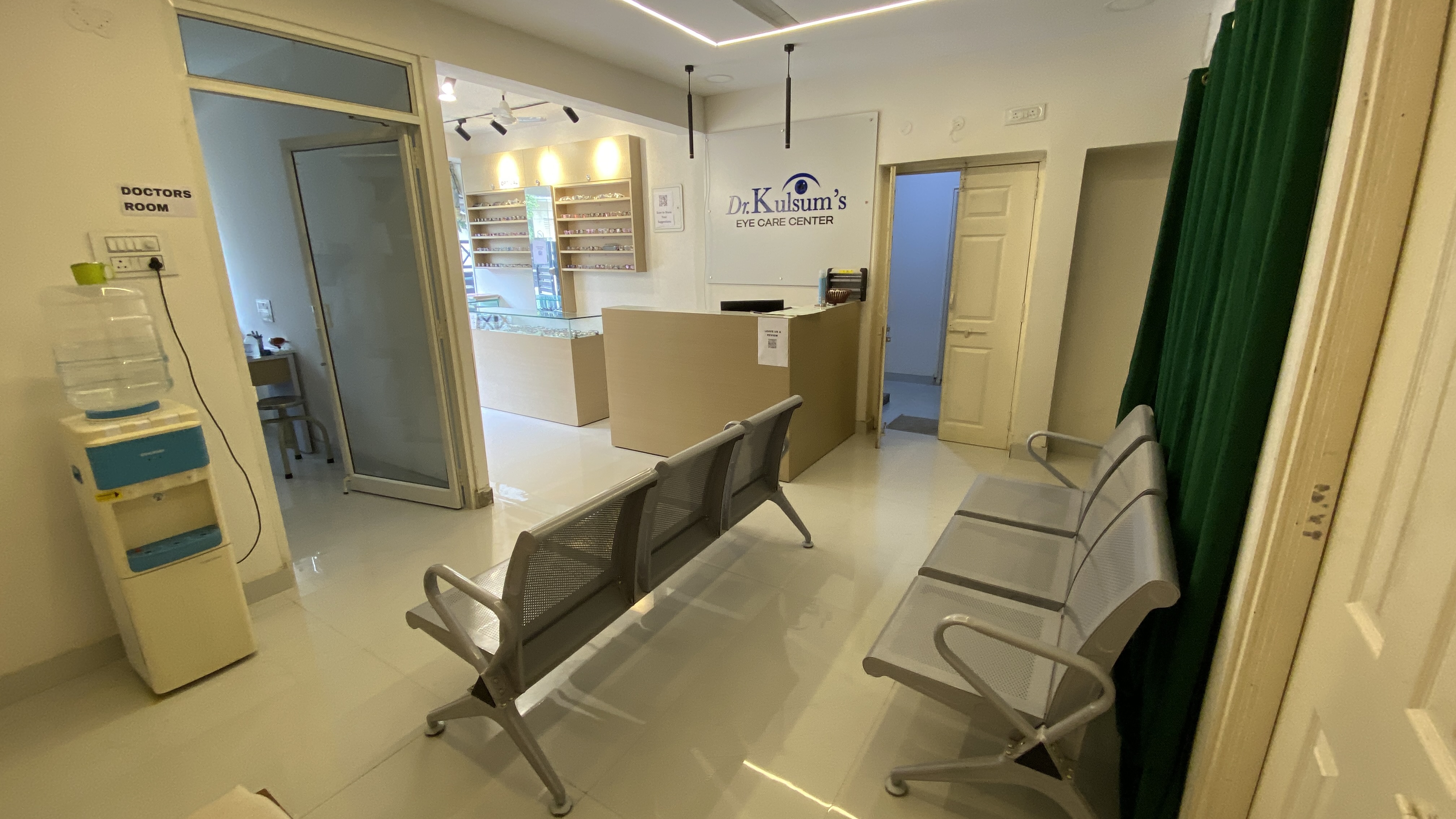
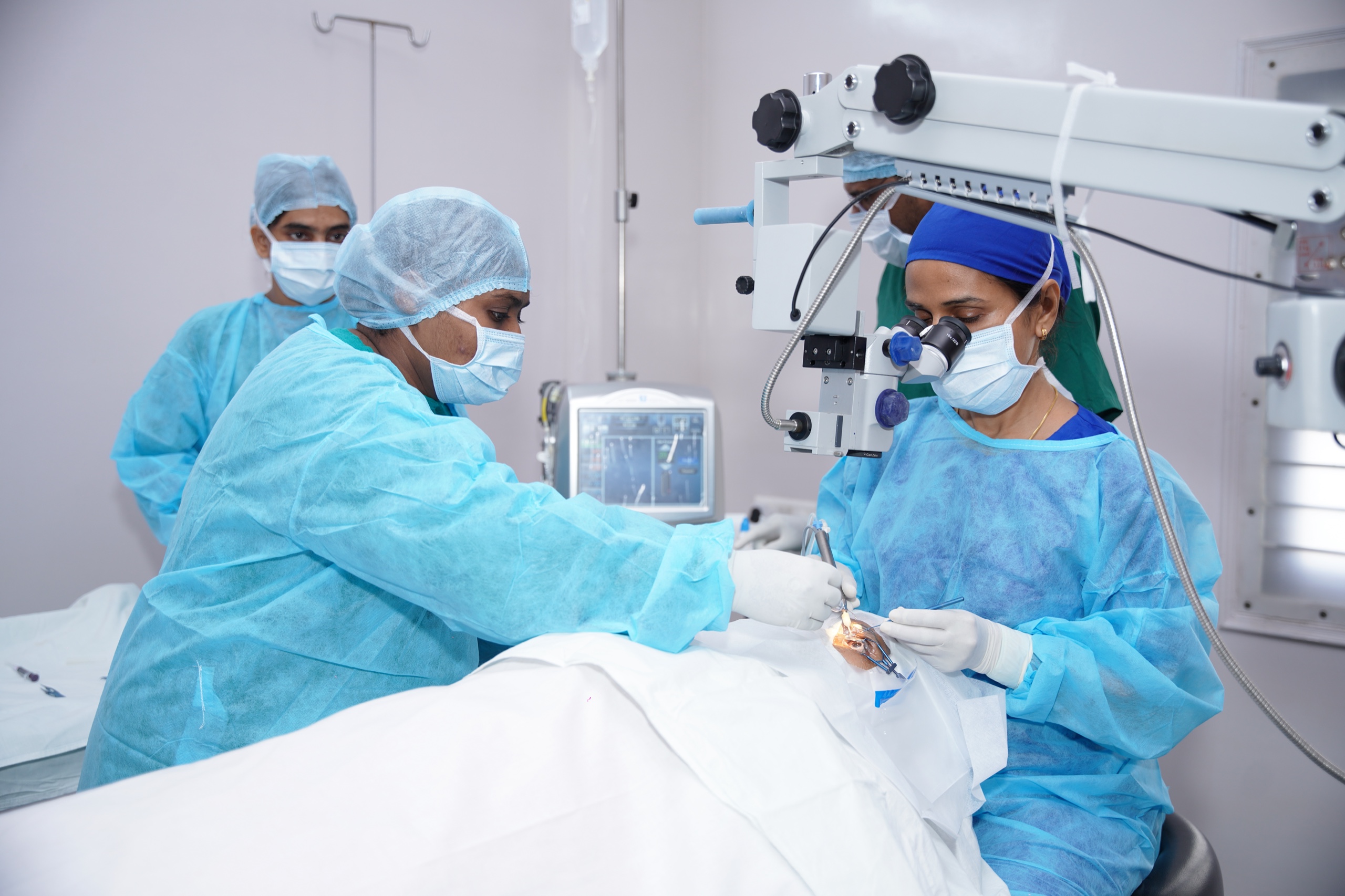
At Dr. Kulsum's Eye Care Centre in Sun City, Hyderabad, cataract removal is a gentle, micro-incision day-care procedure. Using advanced phacoemulsification ultrasound technology, the cloudy lens is softly emulsified and replaced with a crystal-clear foldable Intraocular Lens (IOL) chosen specifically for your eye and daily routine.
CLINICAL NOTE FROM DR. KULSUM
Important Myth-Buster from Dr. Kulsum: You Do NOT Have to Wait for a Cataract to Become 'Mature'
Many elderly patients wait until they can barely see because they were told a cataract must 'ripen' or become mature first. With modern micro-incision phacoemulsification, surgery is safer, gentler, and heals faster when done as soon as cloudy vision starts interfering with your reading, walking, driving, or independence.
Symptoms & diagnosis /
When to see the doctor & what we check
Early assessment gives you the widest, safest choice of treatments.
01 / Symptoms
Signs to watch for
- Cloudy, blurry, or dim vision that glasses no longer fix
- Strong glare or halos around oncoming headlights when driving at night
- Difficulty reading fine print, medicine labels, or mobile screens even in bright light
- Colours appearing faded, yellowish, or washed out
- Frequent changes in your spectacle prescription power
02 / Suitability
Who should be examined
- Adults and seniors whose daily independence (reading, walking safely on stairs, recognising faces) is affected by cloudy vision
- Diabetic patients experiencing earlier-onset lens clouding
- Anyone experiencing bothersome night-driving glare or reduced contrast sensitivity
03 / Diagnostics at our centre
Tests we perform
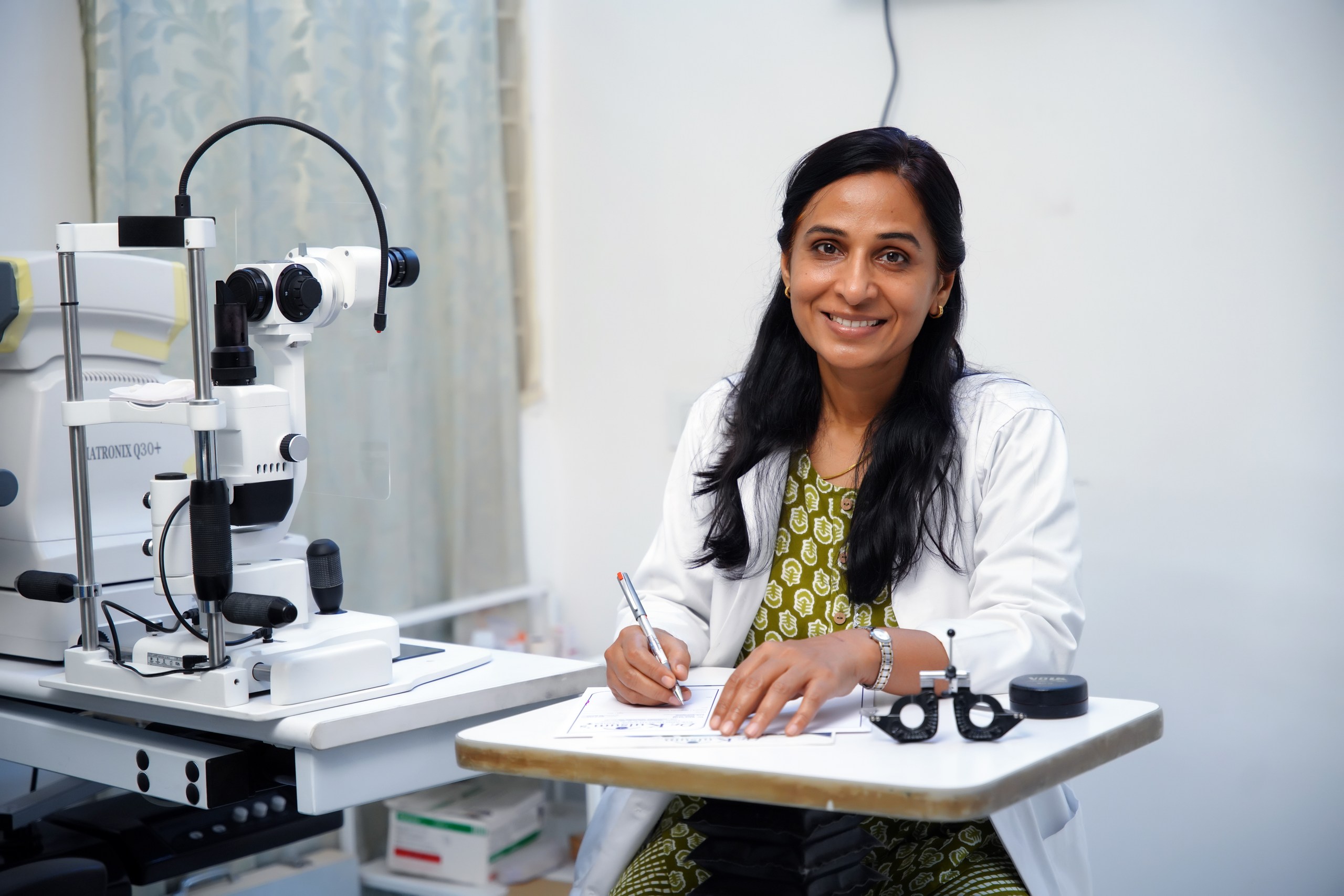
Slit-Lamp Biomicroscopy
High-magnification examination of the lens to grade the exact type and density of the cataract.
Optical Biometry & Keratometry (IOL Power Calculation)
Precise measurement of your eye's axial length and corneal curvature to calculate the exact lens power.
Dilated Retinal & Macular Evaluation
Thorough check of the retina and optic nerve to ensure healthy visual potential after surgery.
Intraocular Pressure & Corneal Check
Screens for co-existing glaucoma or dry eye before planning your lens type.
Step by step /
What happens on the day
Every step is explained before it happens so you and your family feel calm and prepared.
01
Numbing Eye Drops (No Painful Injections)
Your eye is gently numbed with topical anaesthetic drops and prepared in our HEPA-filtered, positive-pressure ductless modular AHU Operation Theatre.
02
15-Minute Sutureless Micro-Incision Phaco
Through a tiny ~2.2 mm self-sealing opening, ultrasound waves gently dissolve the cloudy lens and your chosen foldable IOL is placed smoothly.
03
Walk Home in ~10 Minutes After Surgery
There are no stitches and no heavy bandages. After a brief post-op check and eye-drop briefing with your family, you are discharged within about 10 minutes of completing surgery.
Options & planning your budget /
Treatment options & cost transparency
Cataract surgery packages are structured transparently by lens category (Standard Monofocal, Imported Aspheric Monofocal, Toric, EDOF, and Trifocal/Multifocal). Exact package estimate is shared clearly after your eye evaluation.
LENS COMPARISON GUIDE
Comparing Monofocal, EDOF, Multifocal & Toric Intraocular Lenses
| Lens type | Far vision | Intermediate (laptop / kitchen) | Near reading | Astigmatism (cylinder) | Best suited for |
|---|---|---|---|---|---|
| Monofocal IOL | Crystal Clear | Needs Glasses | Needs Reading Glasses | Toric Version Available | Patients who want sharp distance vision for walking & TV and don't mind wearing reading glasses for fine print. |
| EDOF (Extended Depth of Focus) | Crystal Clear | Crystal Clear (Laptop / Cooking / Dashboard) | Functional (Light glasses for tiny print) | Toric Version Available | Active adults who use smartphones/laptops daily and want smooth range of vision with minimal night-driving halos. |
| Multifocal / Trifocal IOL | Crystal Clear | Crystal Clear | Crystal Clear (Reading & Phone) | Toric Version Available | Patients seeking maximum freedom from spectacles across far, intermediate, and near reading tasks. |
| Toric IOL (Monofocal / EDOF / Trifocal) | Sharp + Cylinder Corrected | Depends on Model | Depends on Model | Built-In Corneal Cylinder Correction | Anyone with pre-existing corneal astigmatism (cylindrical power) who wants crisp, distortion-free vision. |
What determines your cost?
- Choice of Intraocular Lens (Monofocal vs. EDOF vs. Multifocal / Trifocal)
- Whether Toric astigmatism correction is required for cylindrical power
- Indian vs. Imported hydrophobic foldable lens material
- Insurance / TPA cashless or reimbursement eligibility
Payments & insurance
We accept UPI and Cash payments (no card payments). We also support health insurance and TPA claims—message us on WhatsApp with your policy card or prescription to receive a clear package estimate before your visit.
After your visit /
Recovery, benefits & honest safety notes
First post-operative check-up at the clinic; vision noticeably brightens and sharpens.
Resume light daily routines, reading, watching TV, and working on a phone or computer.
Complete stabilisation of the eye and final spectacle check (if needed for fine print).
Key benefits at our centre
- Performed inside Hyderabad's first Ductless Modular AHU Operation Theatre for maximum sterility
- Virtually painless, stitch-less, and blood-less micro-incision technique
- Fast ~10-minute post-surgery discharge so elderly patients rest comfortably at home
- Personalised lens counselling by Dr. Kulsum based on your eye health—never a pushy sales pitch
What to know about risks & aftercare
Modern phaco cataract surgery is one of the safest procedures in medicine. Temporary mild grittiness, watering, or light sensitivity in the first few days is normal and managed with prescribed drops. Rare risks such as infection, corneal swelling, or posterior capsule opacification (easily cleared later with a quick laser) are discussed transparently during your pre-op check.
For any post-procedure redness, pain, or sudden vision change, our 24/7 emergency line (+91 70755 57008) is always reachable.
Who leads it /
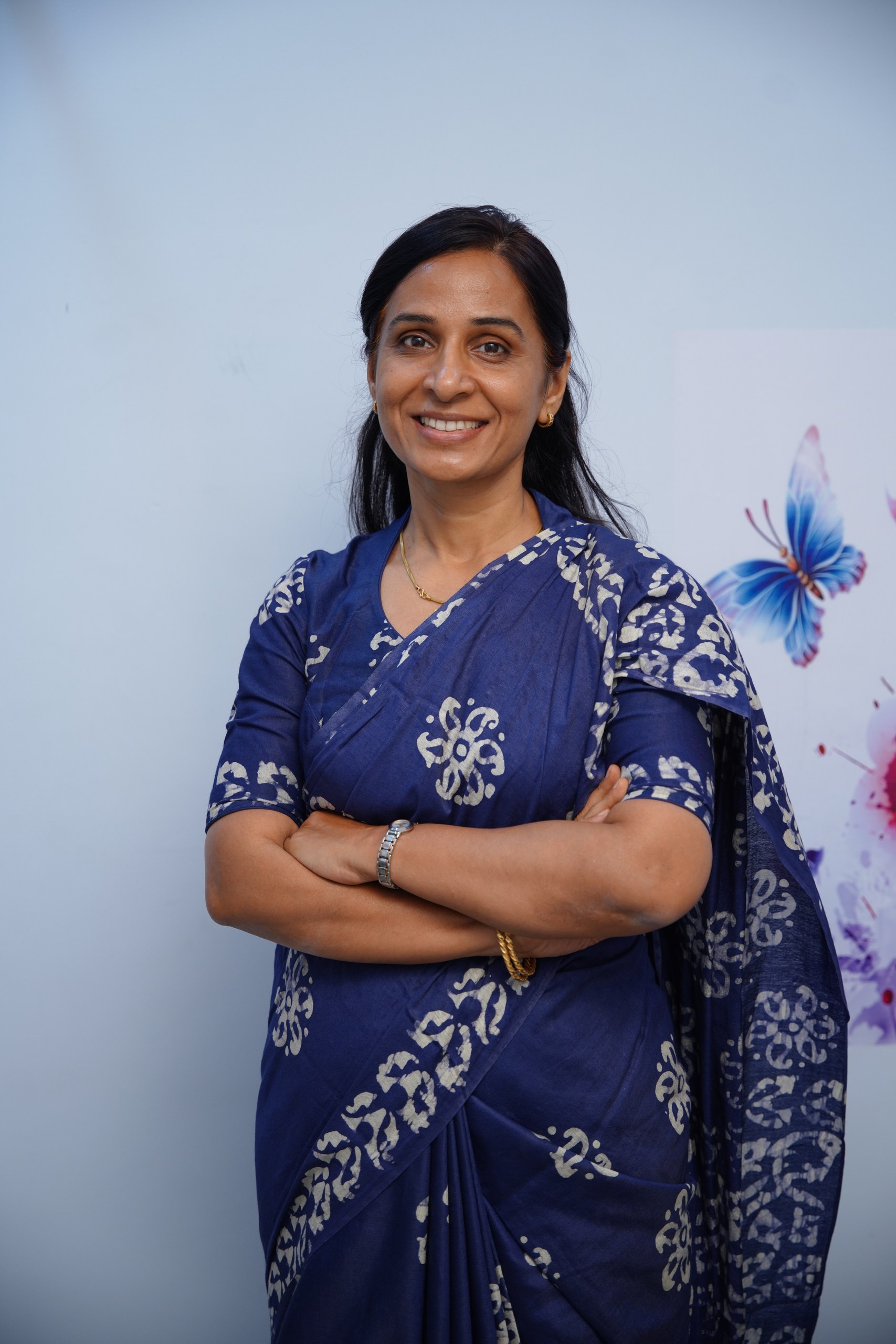
Dr. Kulsum Zaidi
M.B.B.S., D.O.M.S. (Ophthalmology) · Fellowships in Medical Retina & Retinopathy of Prematurity (ROP)
With over 20 years of ophthalmic experience, 2,000+ surgeries, and 500+ newborn ROP screenings, Dr. Kulsum personally evaluates every patient and explains all options in plain language.
Video explainer by Dr. Kulsum / 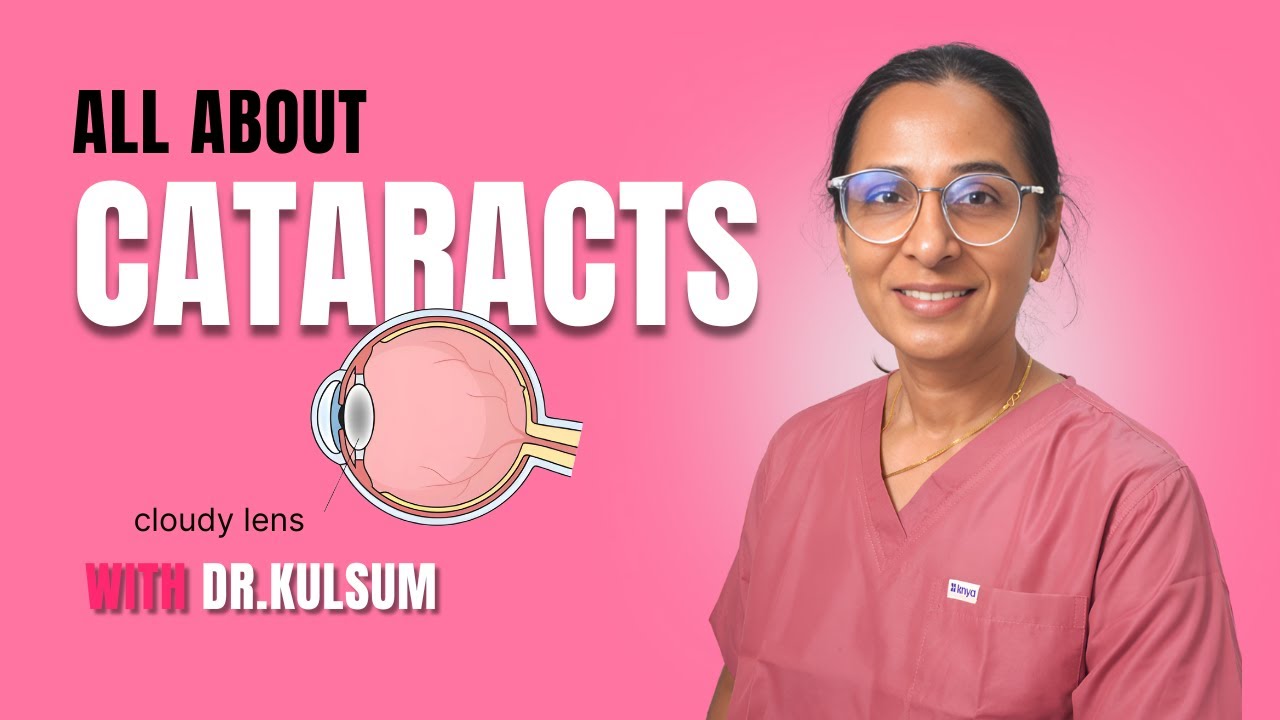
All About Cataracts: Symptoms, Myths & Right Lens Choice
Dr. Kulsum explains how cataracts affect vision, why you don't need to wait for a cataract to become 'mature', and how to choose the right lens for your lifestyle.
FAQ
Common questions
Something else on your mind? Call our reception desk on +91 70755 57008 and we'll talk it through.
No. Modern cataract surgery at our centre is performed under numbing eye drops (topical anaesthesia). You remain awake and comfortable, feeling only a cool water sensation and mild touch—no sharp pain or stitches.
No—that is an outdated myth from the era of large-incision surgery. Waiting until a cataract becomes rock-hard makes the procedure longer. You should consider surgery as soon as cloudy vision or glare starts bothering your daily life.
The procedure itself takes about 15 to 20 minutes. Once finished in the operation theatre, patients are discharged within about 10 minutes after receiving their post-operative instructions.
There is no single 'best' lens for everyone—the right lens depends on your retina health, corneal cylindrical power, and daily habits. Dr. Kulsum personally examines your eye and explains which lens options suit your lifestyle and budget.
Most patients resume reading, watching TV, and light household activities within 2 to 3 days. Driving can typically be resumed once Dr. Kulsum confirms your vision at the follow-up check.
Explore more /
All treatments
Other specialist treatments
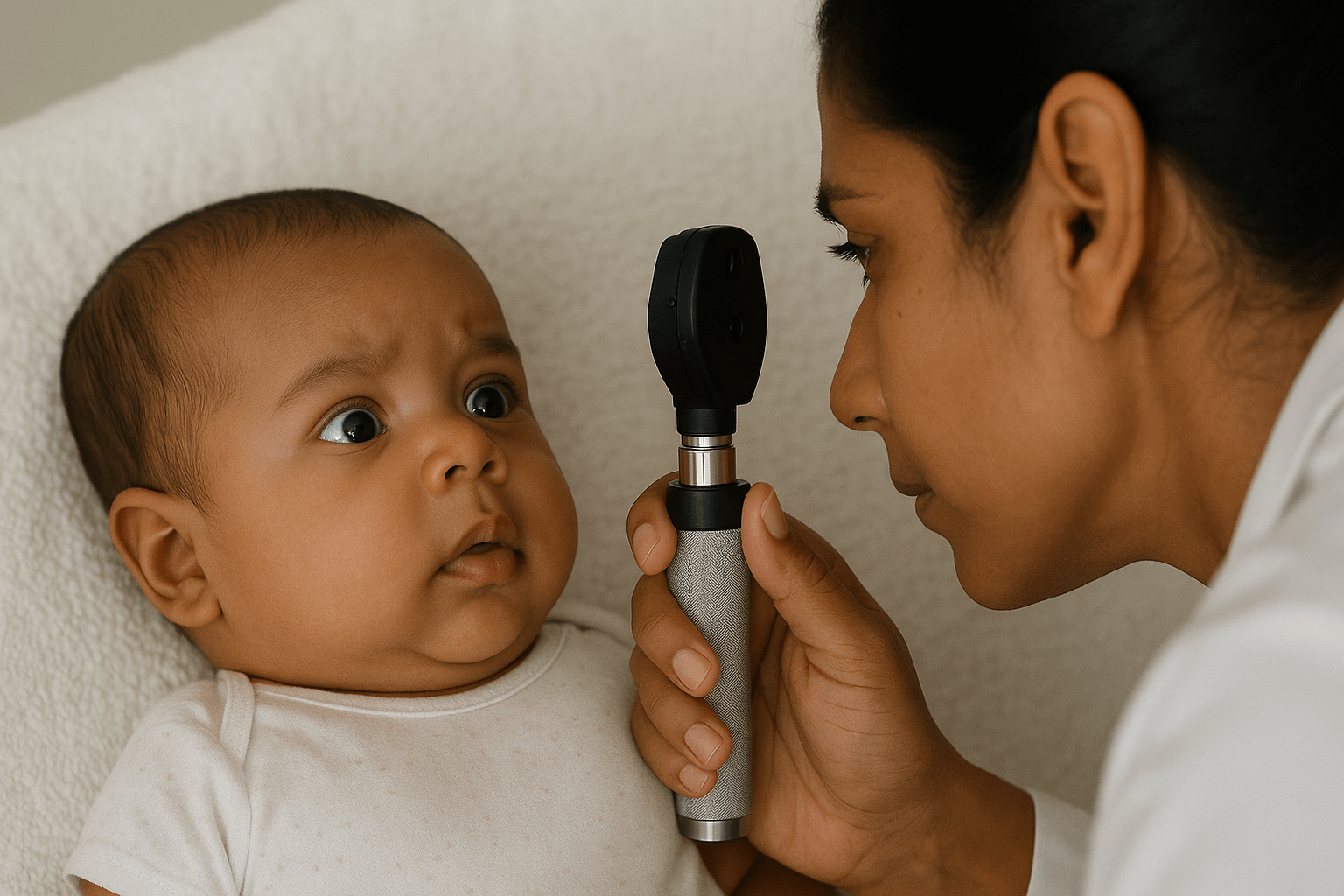
ROP Screening & Treatment
Gentle, timely Retinopathy of Prematurity (ROP) screening and in-house laser or anti-VEGF treatment for premature and low-birth-weight babies in Hyderabad.
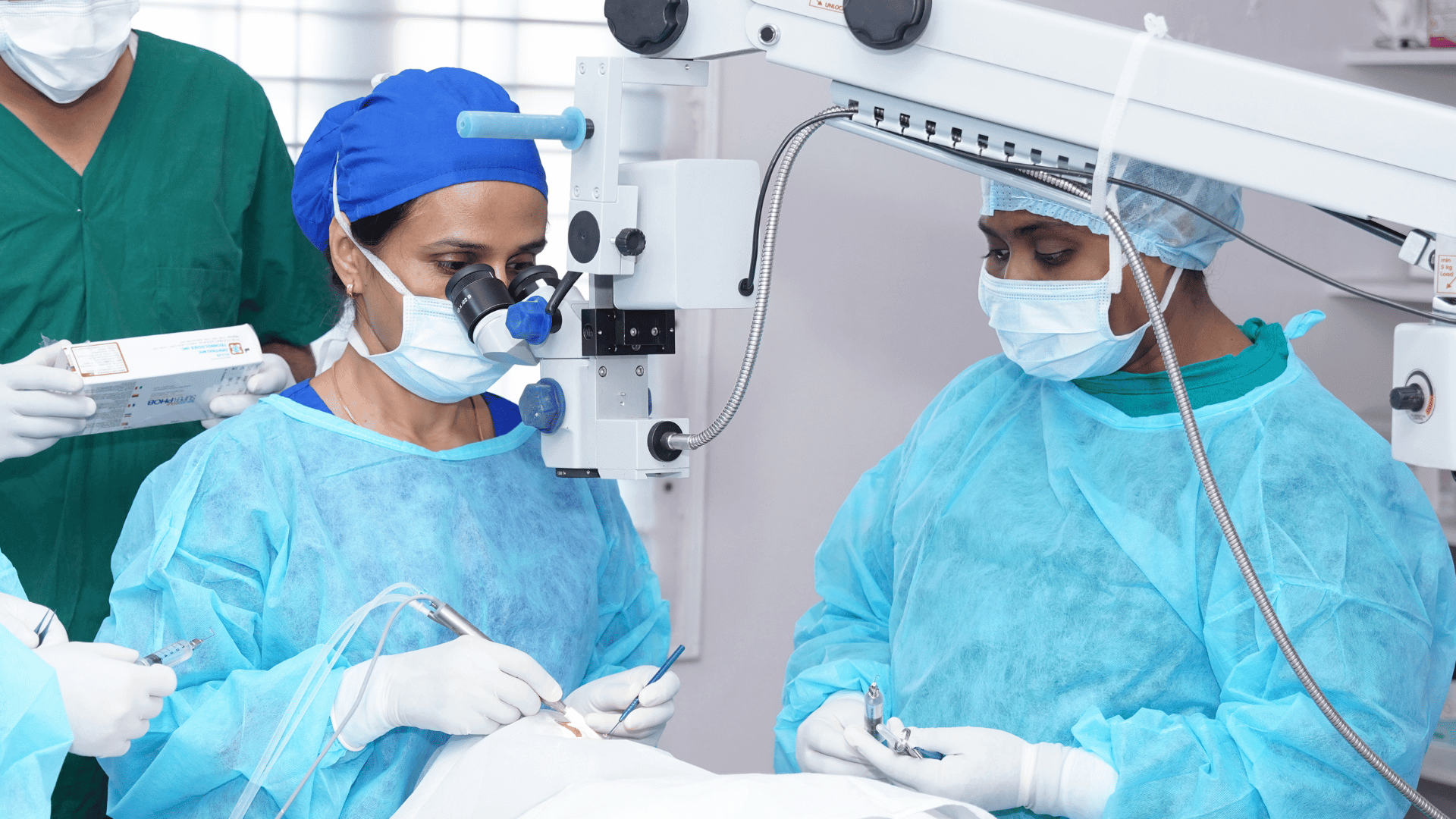
ICL Surgery
Safe, reversible implantable lens correction for high spectacle powers and thin corneas—delivering sharp, high-definition vision without removing corneal tissue.
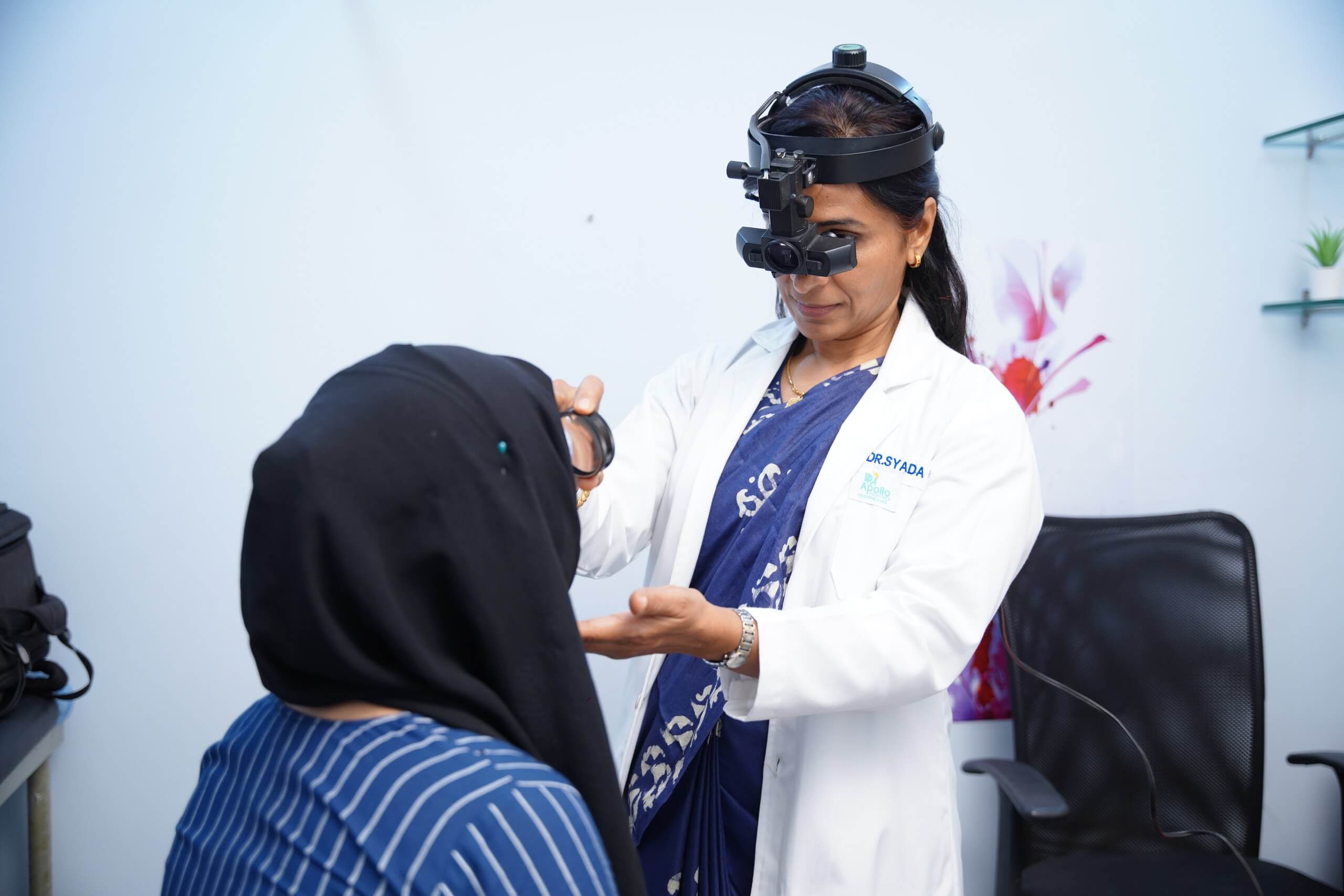
Diabetic Retinopathy
Early retinal screening, macular oedema management, and laser / anti-VEGF treatment by a Medical Retina Fellowship specialist to protect your sight from diabetes.