Near vision remains slightly blurry and light-sensitive for 3–4 hours; bring sunglasses.
Fellowship-Trained Medical Retina Care
Diabetic Retinopathy Screening and Treatment in Hyderabad
Early retinal screening, macular oedema management, and laser / anti-VEGF treatment by a Medical Retina Fellowship specialist to protect your sight from diabetes.
Overview /
Understanding diabetic retinopathy
Diabetic Retinopathy occurs when high blood sugar levels gradually damage the tiny blood vessels that nourish the retina—the light-sensitive layer at the back of your eye. Over time, these vessels can leak fluid (causing diabetic macular oedema) or bleed into the eye.
With formal Fellowship training in Medical Retina, Dr. Kulsum Zaidi focuses on catching retinal changes early—before you even notice blurry vision—and stabilising your retina so you maintain clear, independent vision for life.
AT OUR SUN CITY CENTRE
Unhurried, doctor-led evaluation
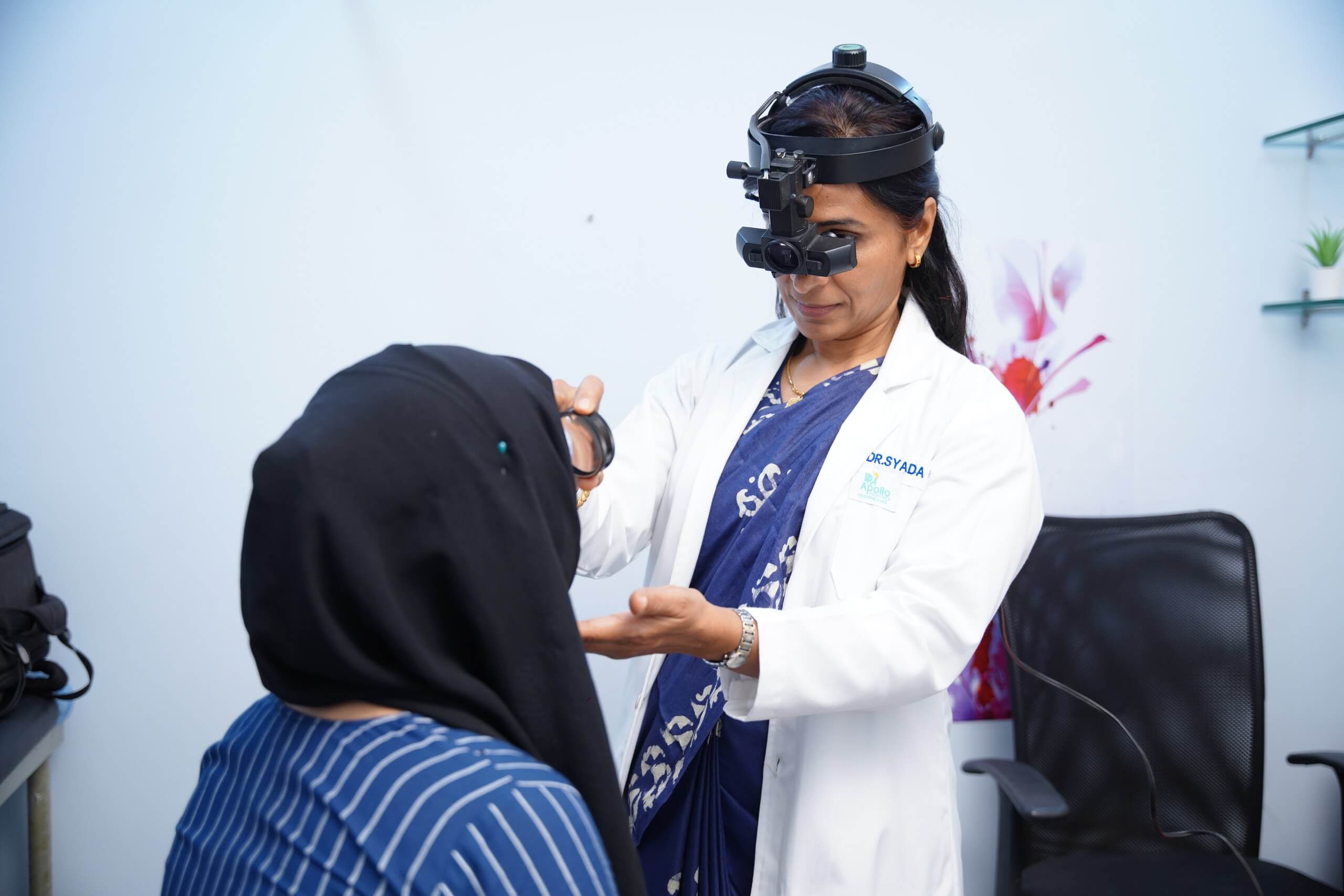
Every examination is performed personally by Dr. Kulsum Zaidi. You receive a clear explanation of your eye findings, treatment choices, and expected recovery before making any decision.
Symptoms & diagnosis /
When to see the doctor & what we check
Early assessment gives you the widest, safest choice of treatments.
01 / Symptoms
Signs to watch for
- Early stage: Often ZERO symptoms—vision can feel 6/6 even while retinal vessels are leaking
- Fluctuating vision that changes from day to day with blood sugar levels
- Dark spots, cobwebs, or floating strings ('floaters') drifting across your view
- Blurred or wavy central vision when reading or recognising faces
- Sudden dark curtain or shadow if vitreous bleeding occurs
02 / Suitability
Who should be examined
- Every person with Type 1 or Type 2 Diabetes (at least one dilated retinal exam every year)
- Diabetic patients who also have high blood pressure, kidney issues, or high cholesterol
- Pregnant women with gestational or pre-existing diabetes
03 / Diagnostics at our centre
Tests we perform
Comprehensive Dilated Fundus Examination
Detailed examination of the central macula and peripheral retina using indirect ophthalmoscopy and slit-lamp biomicroscopy.
Diabetic Retinopathy Staging
Classifies whether the retina shows Non-Proliferative (NPDR), Proliferative (PDR), or Macular Oedema changes.
Intraocular Pressure & Cataract Check
Screens for secondary glaucoma or diabetic cataracts during the same visit.
Step by step /
What happens on the day
Every step is explained before it happens so you and your family feel calm and prepared.
01
Dilated Retinal Check-Up
Painless dilating drops allow Dr. Kulsum to inspect your entire retina and macula in detail.
02
Clear Staging & Personalised Plan
We explain exactly what stage your eyes are in without creating fear—giving you clear choices at the right time.
03
In-House Treatment & Follow-Up
If laser or anti-VEGF treatment is required, it is performed safely in our sterile facility with scheduled monitoring.
Options & planning your budget /
Treatment options & cost transparency
Dilated retinal check-ups are affordable and quick. If laser or anti-VEGF therapy is needed, transparent per-session costs are shared upfront.
What determines your cost?
- Routine annual dilated retinal screening vs. active treatment
- Type of Anti-VEGF molecule or laser session required
Payments & insurance
We accept UPI and Cash payments (no card payments). We also support health insurance and TPA claims—message us on WhatsApp with your policy card or prescription to receive a clear package estimate before your visit.
After your visit /
Recovery, benefits & honest safety notes
Same-day walk-in/walk-out care with prescribed soothing drops.
Key benefits at our centre
- Examined directly by a Medical Retina Fellowship-trained ophthalmologist
- Honest, fear-free counselling that coordinates with your diabetologist's sugar goals
- Community diabetic retinopathy screening camps conducted regularly across Hyderabad
What to know about risks & aftercare
Over 90% of severe diabetic vision loss is preventable with annual dilated eye exams and timely treatment before bleeding occurs.
For any post-procedure redness, pain, or sudden vision change, our 24/7 emergency line (+91 70755 57008) is always reachable.
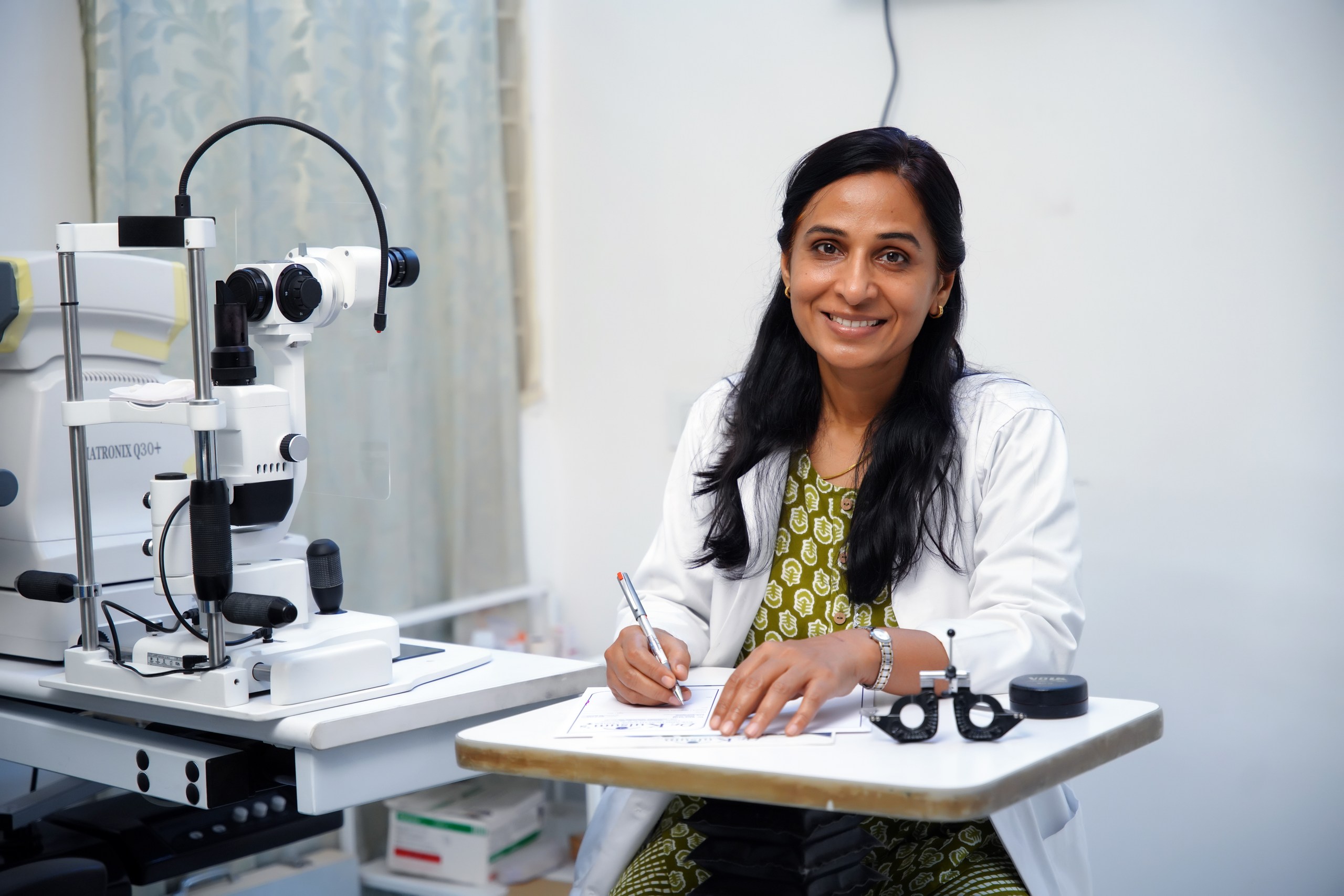
Who leads it /
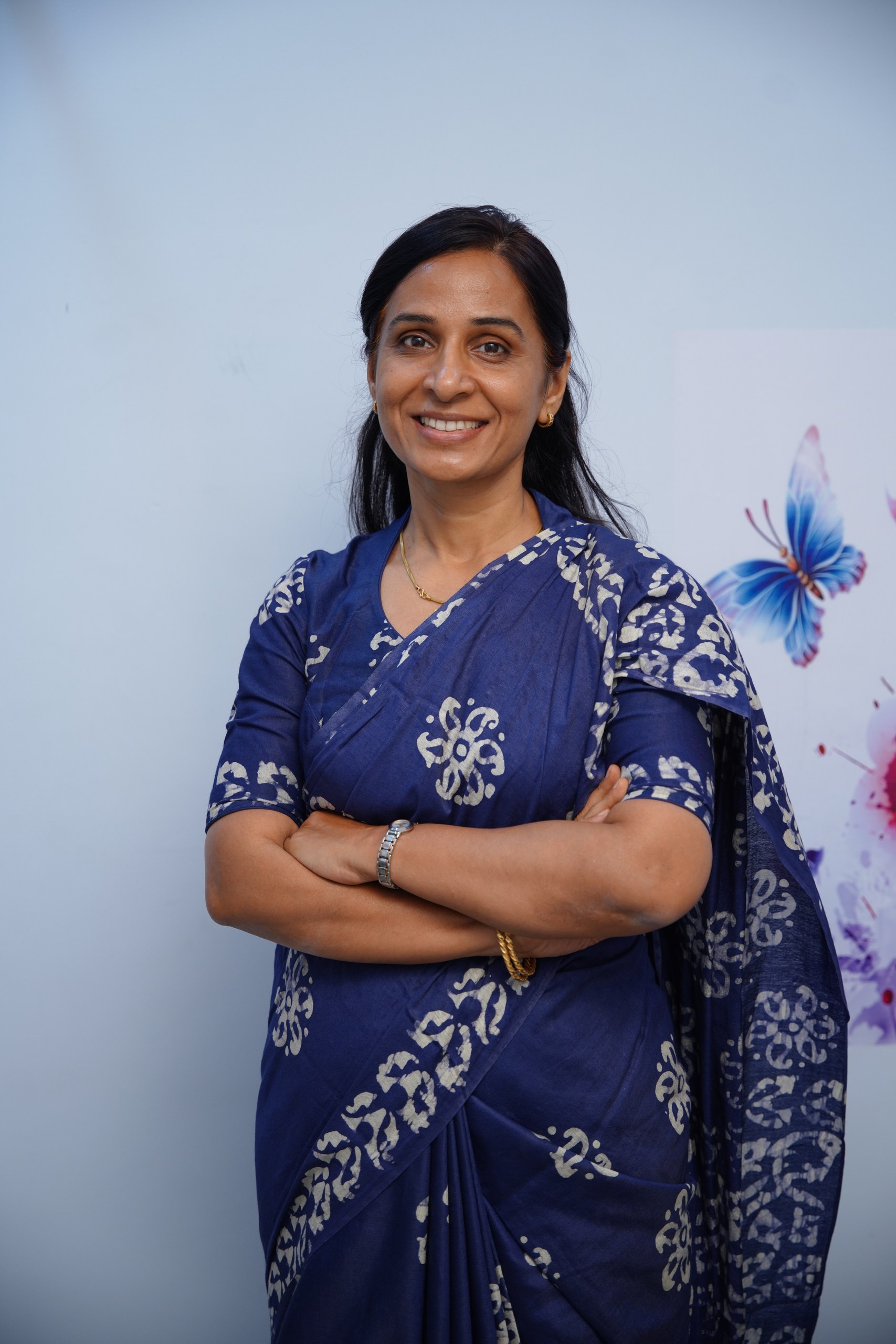
Dr. Kulsum Zaidi
M.B.B.S., D.O.M.S. (Ophthalmology) · Fellowships in Medical Retina & Retinopathy of Prematurity (ROP)
With over 20 years of ophthalmic experience, 2,000+ surgeries, and 500+ newborn ROP screenings, Dr. Kulsum personally evaluates every patient and explains all options in plain language.
Video explainer by Dr. Kulsum / 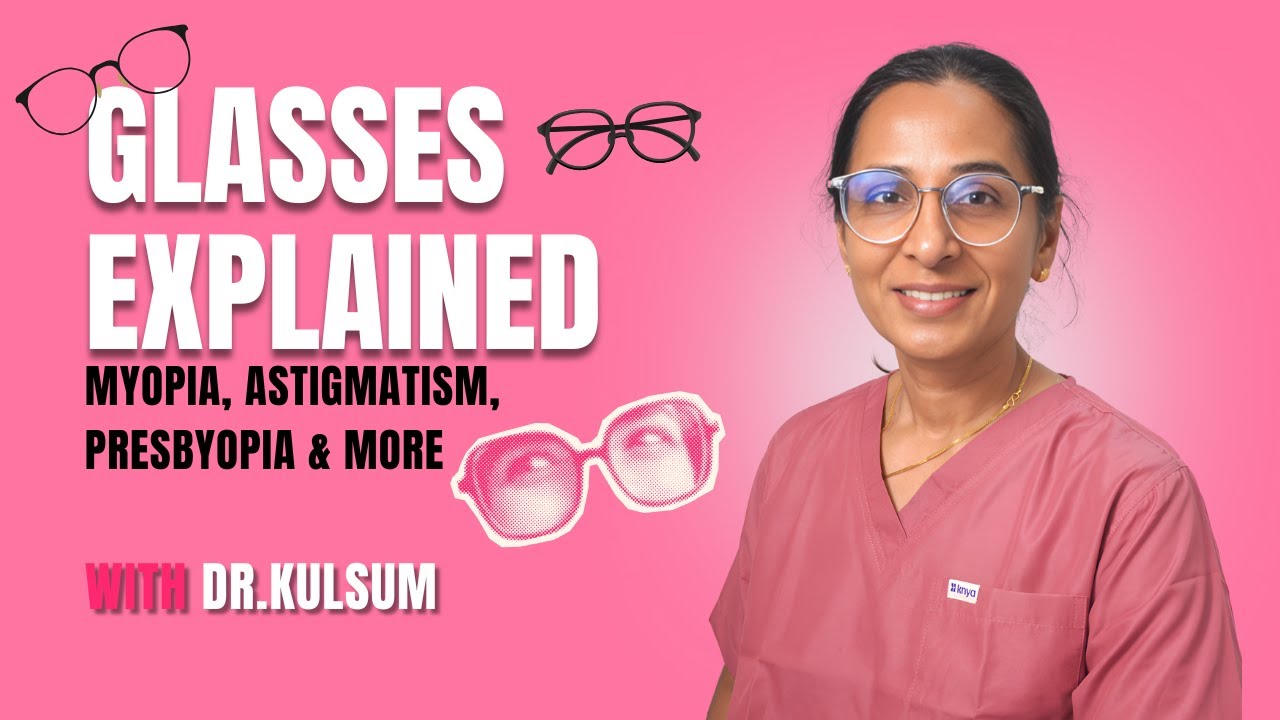
Glasses Explained: Vision Problems, Myths & Solutions
Understand myopia, astigmatism, and presbyopia in plain language, bust common myths about wearing glasses, and learn why timely correction matters.
FAQ
Common questions
Something else on your mind? Call our reception desk on +91 70755 57008 and we'll talk it through.
Yes! Early diabetic retinopathy has no symptoms at all. By the time vision becomes blurry, macular swelling or bleeding has already started. A once-a-year dilated check catches changes when they are easiest to stop.
At least once a year if your retina is normal. If mild or moderate diabetic retinopathy is detected, Dr. Kulsum may recommend a check every 3 to 6 months.
When detected early, leakage and swelling can often be reversed or stabilised with good blood sugar control, anti-VEGF therapy, or retinal laser.
Explore more /
All treatments
Other specialist treatments
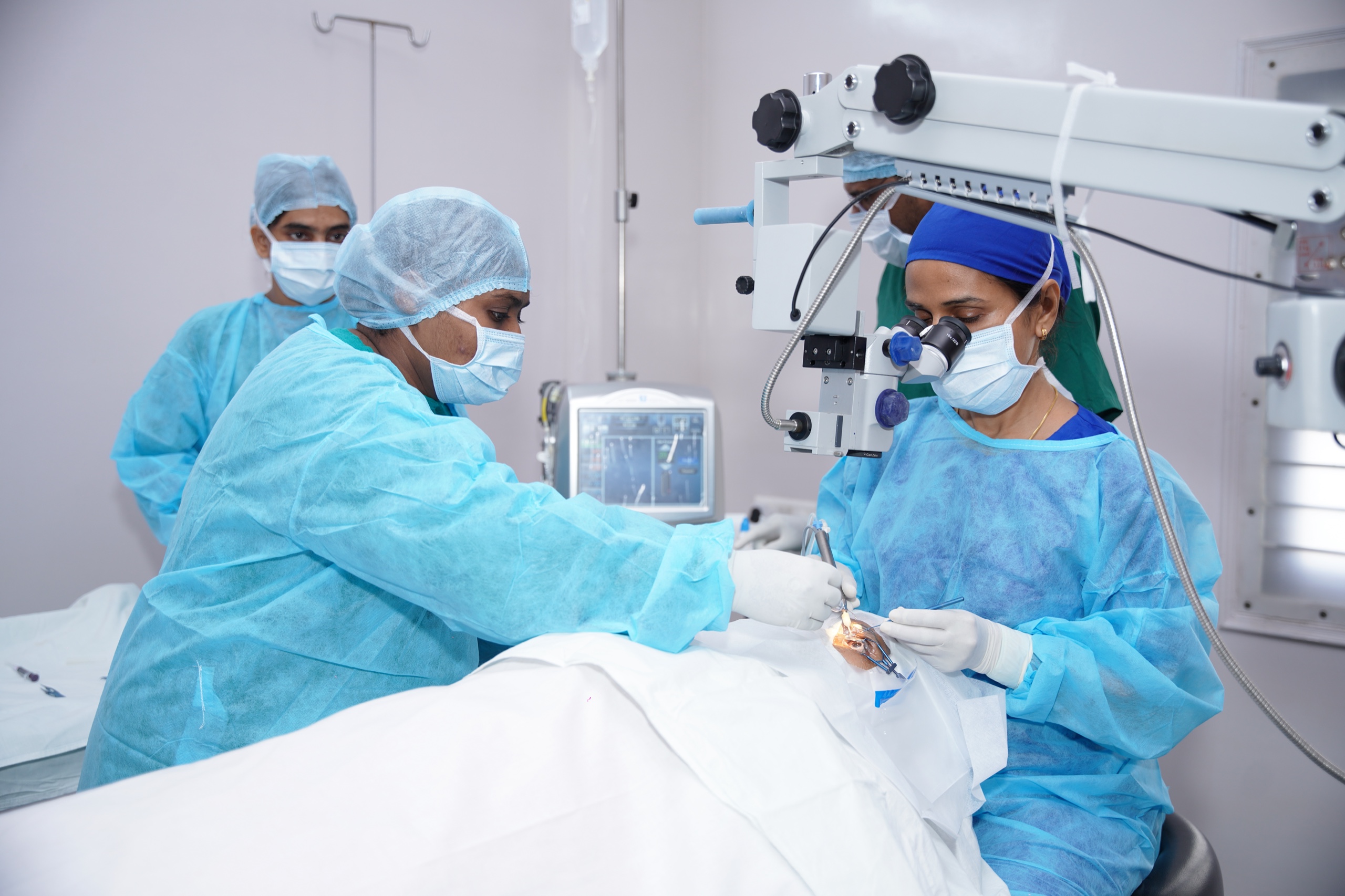
Cataract Surgery
Minimally invasive, painless, sutureless cataract surgery in Hyderabad's first ductless AHU modular operation theatre—with discharge in about 10 minutes and lens choices tailored to your daily life.
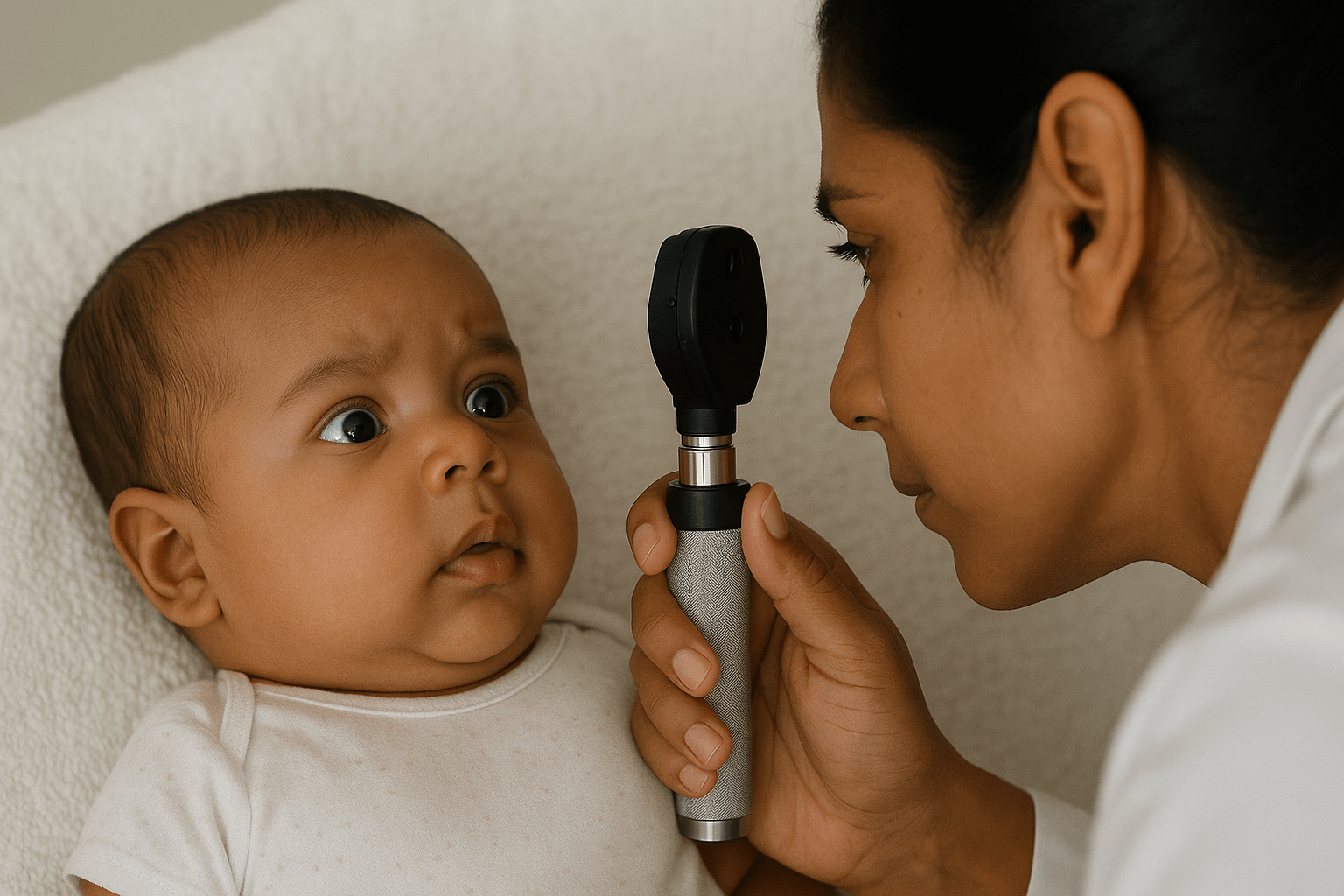
ROP Screening & Treatment
Gentle, timely Retinopathy of Prematurity (ROP) screening and in-house laser or anti-VEGF treatment for premature and low-birth-weight babies in Hyderabad.
ICL Surgery
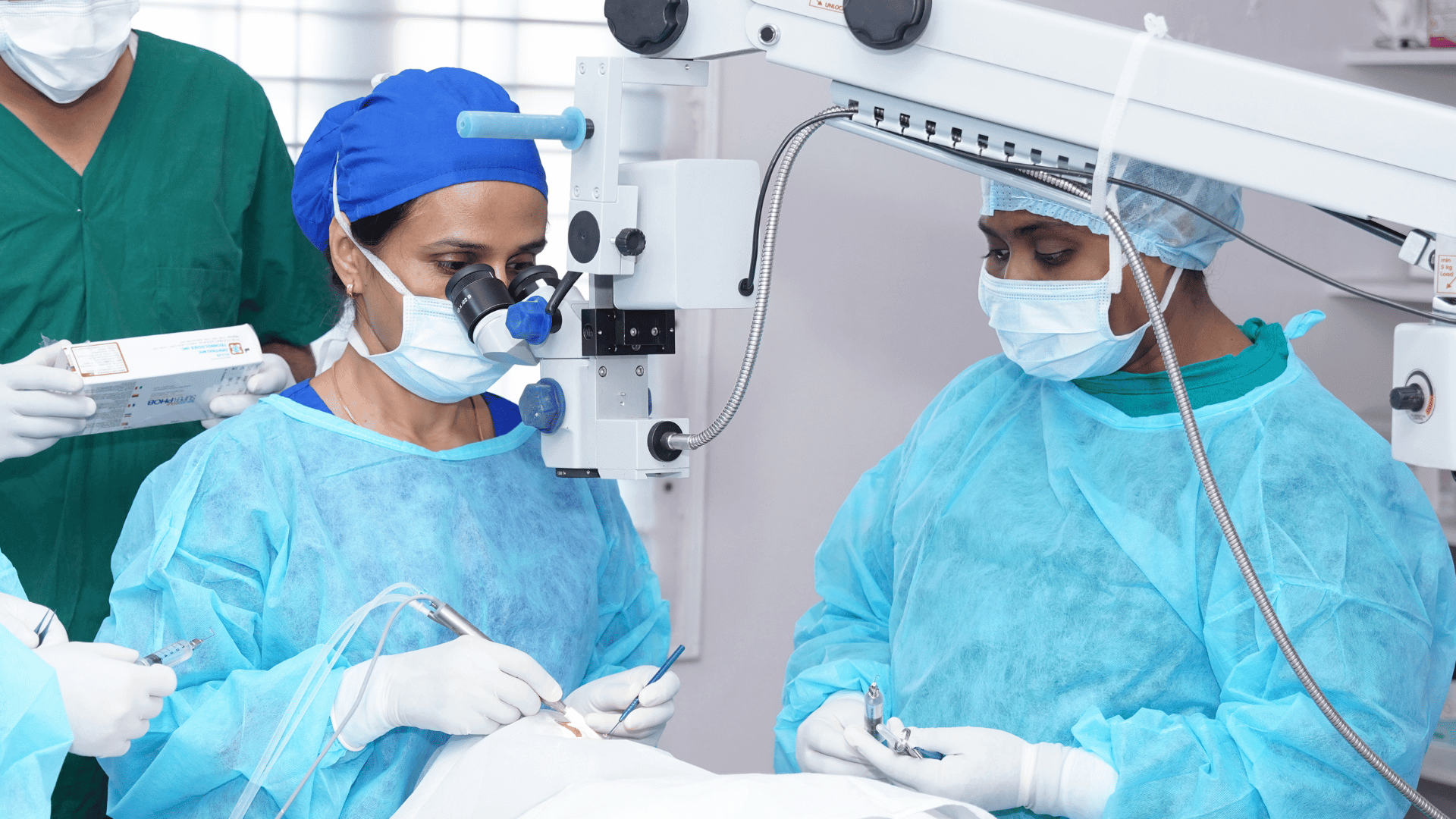
Safe, reversible implantable lens correction for high spectacle powers and thin corneas—delivering sharp, high-definition vision without removing corneal tissue.